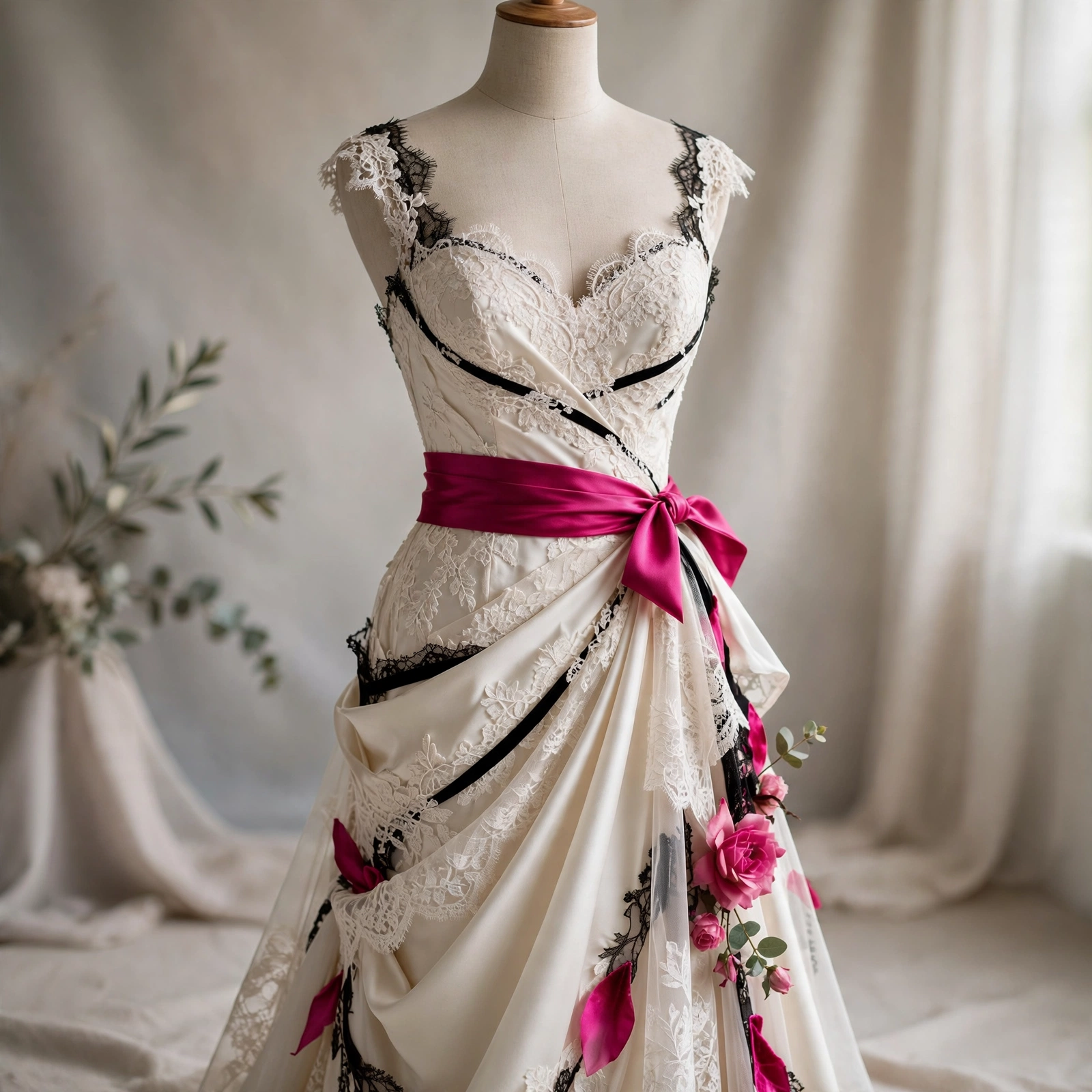
A garment can be beautiful on a hanger and still feel wrong when you wear it. The shoulder may sit too far out, the waist may pull when you move or the hem may fall at an awkward point. These details are not always a sign that your body is difficult to fit. Often, they are signs that the garment was designed around a standard block rather than around you.
Bespoke clothing begins with a different question. Instead of asking which standard size is closest, the maker studies the wearer, the desired silhouette and the way the garment needs to move. That does not mean every custom piece needs to be elaborate. It means the decisions are made intentionally, from measurements and balance to fabric, fastening and finishing.
Three ways clothing can be made
Off-the-rack
Off-the-rack garments are produced to a size range. They are efficient and accessible, but they have to accommodate many different bodies within the same measurements. A person may fit the bust but not the waist, or the hips but not the length. Alterations can improve the result, but the original proportions still shape what is possible.
Made-to-measure
Made-to-measure begins with a standard pattern that is adjusted using the client’s measurements. It is a useful middle ground when the design is established and the main goal is a better fit. The quality depends on accurate measurements, a good fitting process and the maker’s ability to understand how the fabric behaves on the body.
Bespoke
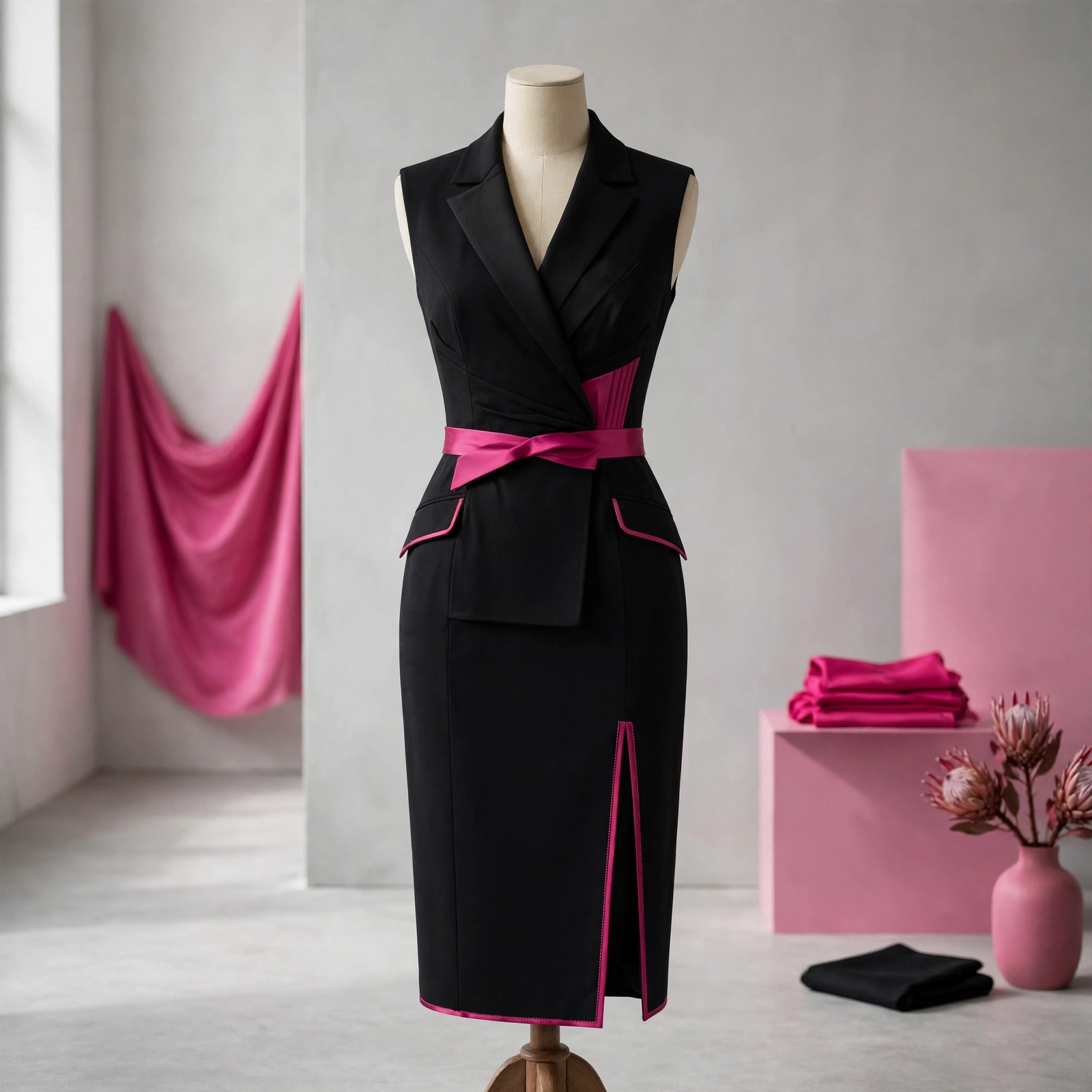
Bespoke design is developed with the individual in mind. The pattern, balance and construction are shaped around the wearer and the intended design. The process may include more consultation and fittings, but those stages allow the garment to become more personal and precise.
Why measurements matter
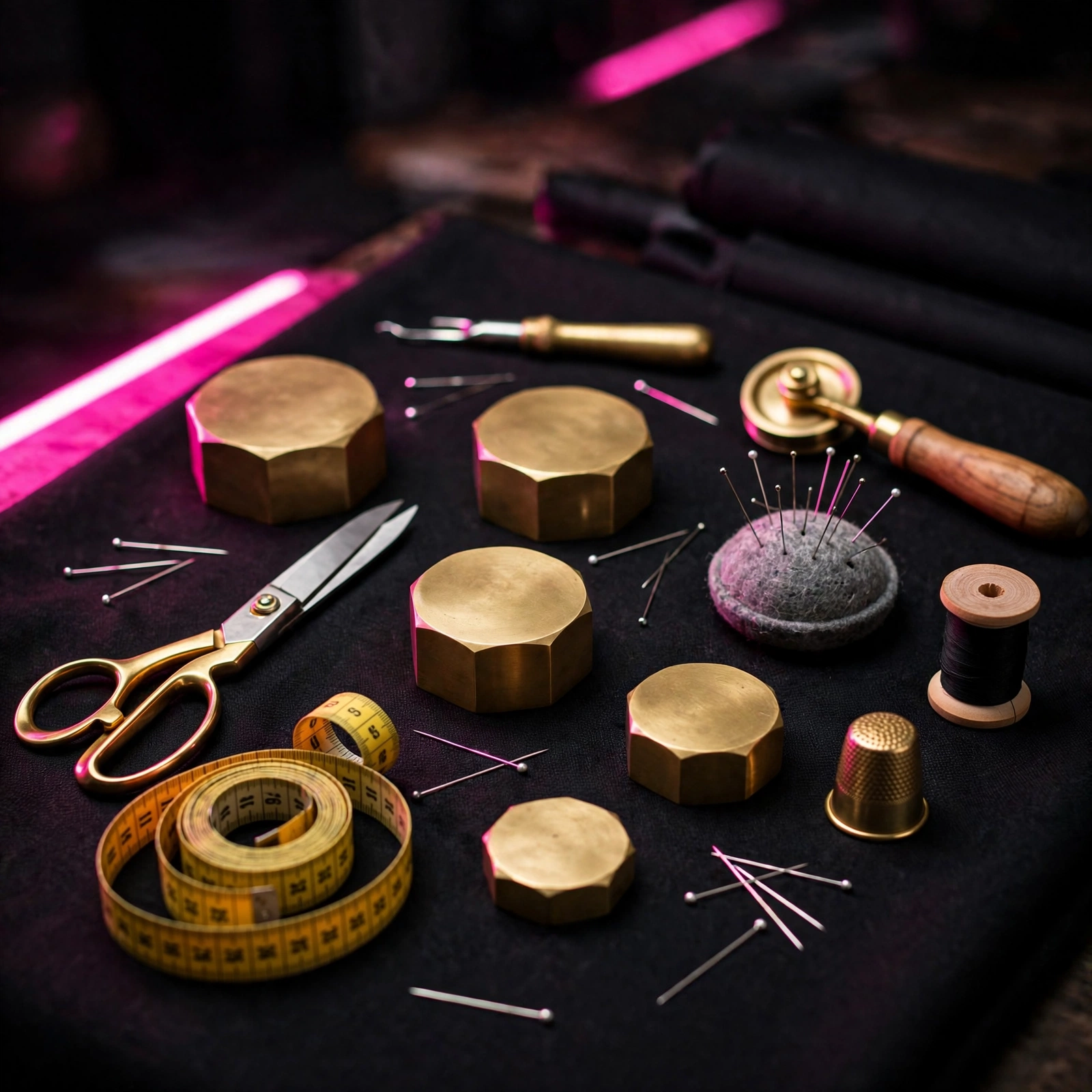
Measurements are more than a list of numbers. They help a maker understand the relationship between different parts of the body: shoulder width, bust, waist, hip, rise, arm length, back length and the way posture affects balance. Two people can share the same waist measurement and still need very different shaping through the bodice or hip.
A careful measurement session also creates an opportunity to discuss comfort. Some clients prefer more ease, while others want a closer silhouette. Movement, undergarments, shoes and the way the garment will be worn all affect the final decisions. Clear communication at this stage prevents assumptions later.
Fabric is part of the fit
The same design will behave differently in satin, linen, cotton, lace, stretch fabric or a structured suiting. A fluid fabric may skim the body, while a firm fabric may hold a shape. Stretch can provide comfort but may need support. Embellishment adds weight. A good maker considers these characteristics before cutting because fabric choice is part of the architecture of the garment.
For special occasions, the climate and setting matter too. A piece worn in warm weather, outdoors or for many hours needs a thoughtful balance between structure and comfort. The best fabric is not always the most dramatic one; it is the one that supports the design and the person wearing it.
Fittings turn a design into yours
A fitting is a working stage, not a final performance. It allows the maker to see how the garment sits while you stand, walk, sit and move your arms. Pinning can reveal where the balance needs to change. A neckline, strap, sleeve or hem may look correct in one position and need refinement in another.
- Bring the shoes and undergarments that will affect the final fit.
- Move naturally and explain any pulling, pinching or slipping.
- Share comfort concerns early rather than waiting until collection.
- Ask which changes are being made and how they affect the design.
Fit should support confidence
The goal of bespoke clothing is not to make the wearer disappear inside an idealised shape. It is to create a garment that supports confidence. When the shoulder sits correctly, the waist is comfortable and the fabric moves as intended, you spend less time adjusting the garment and more time present in the moment.
That confidence comes from collaboration. The client brings a vision, preferences and lived experience. The seamstress brings technical judgement, construction skill and the ability to translate an idea into something wearable. When both sides communicate clearly, the result can feel effortless even though the work behind it is detailed.
When bespoke or tailored work is worth considering
Custom work can be especially valuable when a garment has an important purpose: a wedding outfit, formal dress, uniform, performance costume, swimwear piece or favourite garment that needs a thoughtful alteration. It can also be worthwhile when standard sizing repeatedly leaves you compromising between fit and style.
The first step does not have to be a commitment to a complicated design. A consultation can clarify what is possible, which details matter most and whether an alteration, made-to-measure piece or bespoke garment is the best route.
Fit is where the design becomes personal.
Seamrite Designs creates custom clothing with attention to proportion, fabric, movement and the person wearing the finished piece. Bring your idea, your occasion or the garment that needs new life, and begin with a considered conversation.
Ask Seamrite Designs