A special occasion garment carries a particular kind of pressure. It has to fit the body, suit the event, work with the fabric and feel comfortable enough to let you enjoy the moment. Whether you are planning a wedding, a formal dinner, a graduation, a carnival costume or an important celebration, choosing the right seamstress can make the process feel calm instead of rushed.
The right maker is not simply the person who can copy a picture. They are someone who can listen to what you want, translate an idea into a workable design and guide you through the decisions that affect the final result. A strong consultation should leave you with more clarity: what can be made, which fabric will support the design, how many fittings may be needed and what the timeline requires.
1. Start with the occasion
Before choosing a design, be specific about the occasion. Is the garment for a wedding ceremony, a reception, a formal dinner, a stage performance or an outdoor celebration? The setting affects the silhouette, fabric, movement, coverage and finishing details. A piece that looks perfect in a studio photograph may need adjustments for heat, dancing, seating, travel or long hours of wear.
Bring the date, venue and dress expectations to the first conversation. If there is a colour palette, cultural reference or required level of formality, share it early. A thoughtful seamstress will ask questions about how you want to feel, how much movement you need and what details matter most to you.
2. Look for a clear consultation
A good consultation is a working conversation, not just a quick price request. You should be able to explain what you like, what you do not want and what you need the garment to do. The maker should look at your references carefully and explain which elements can be combined successfully.
Pay attention to the questions they ask. Do they ask about your measurements, comfort, timeline, fabric preferences and the way you plan to wear the piece? Do they explain what happens next? Clear questions are a good sign because they show that the garment is being designed for a real person, not produced from a generic idea.
Useful questions to ask
- What fabric would support this design and the conditions of the event?
- How many fittings are likely to be needed?
- What is the expected completion date, and when should measurements be taken?
- Which design details affect the price or timeline?
- What deposit, approval and collection arrangements apply?
3. Choose the maker’s strengths
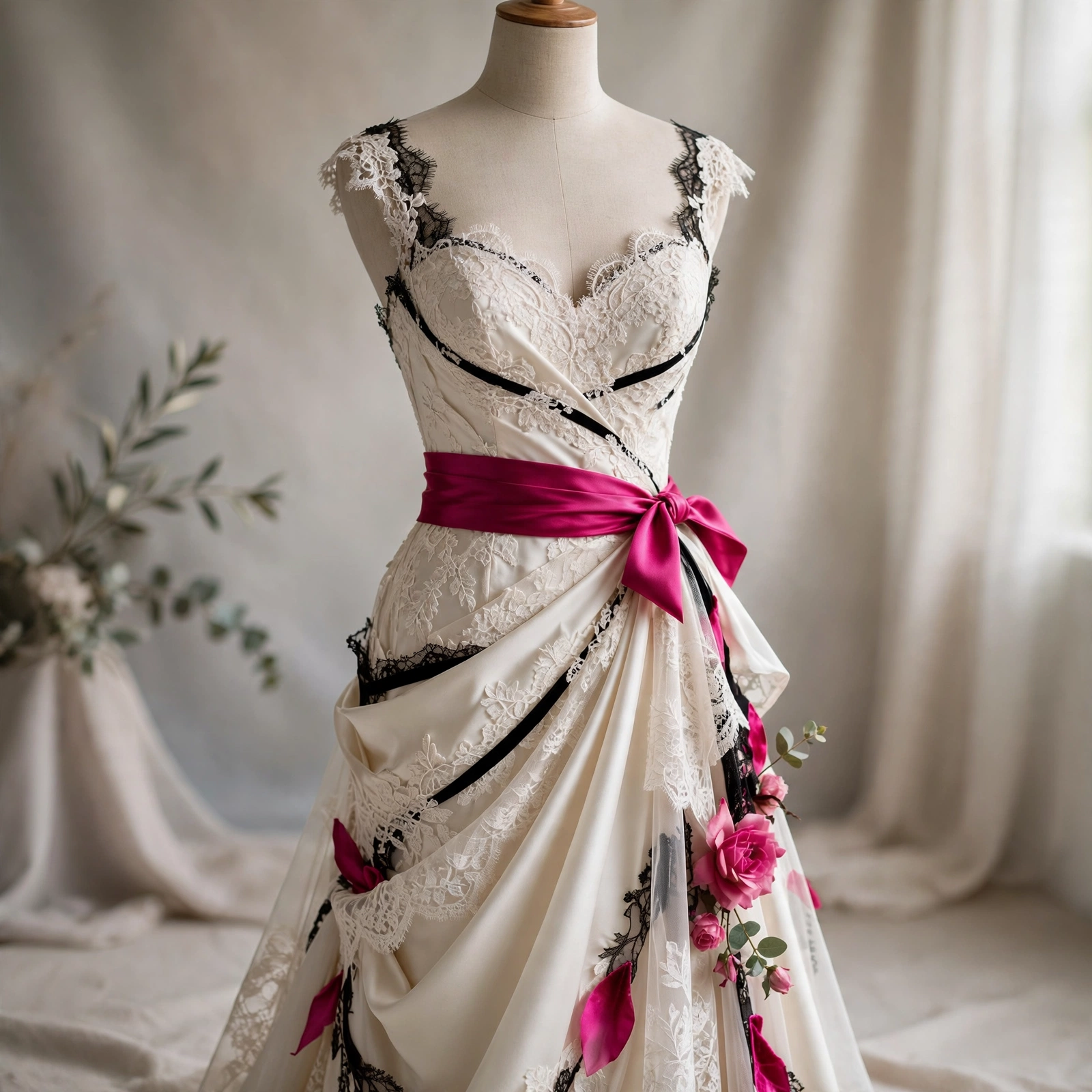
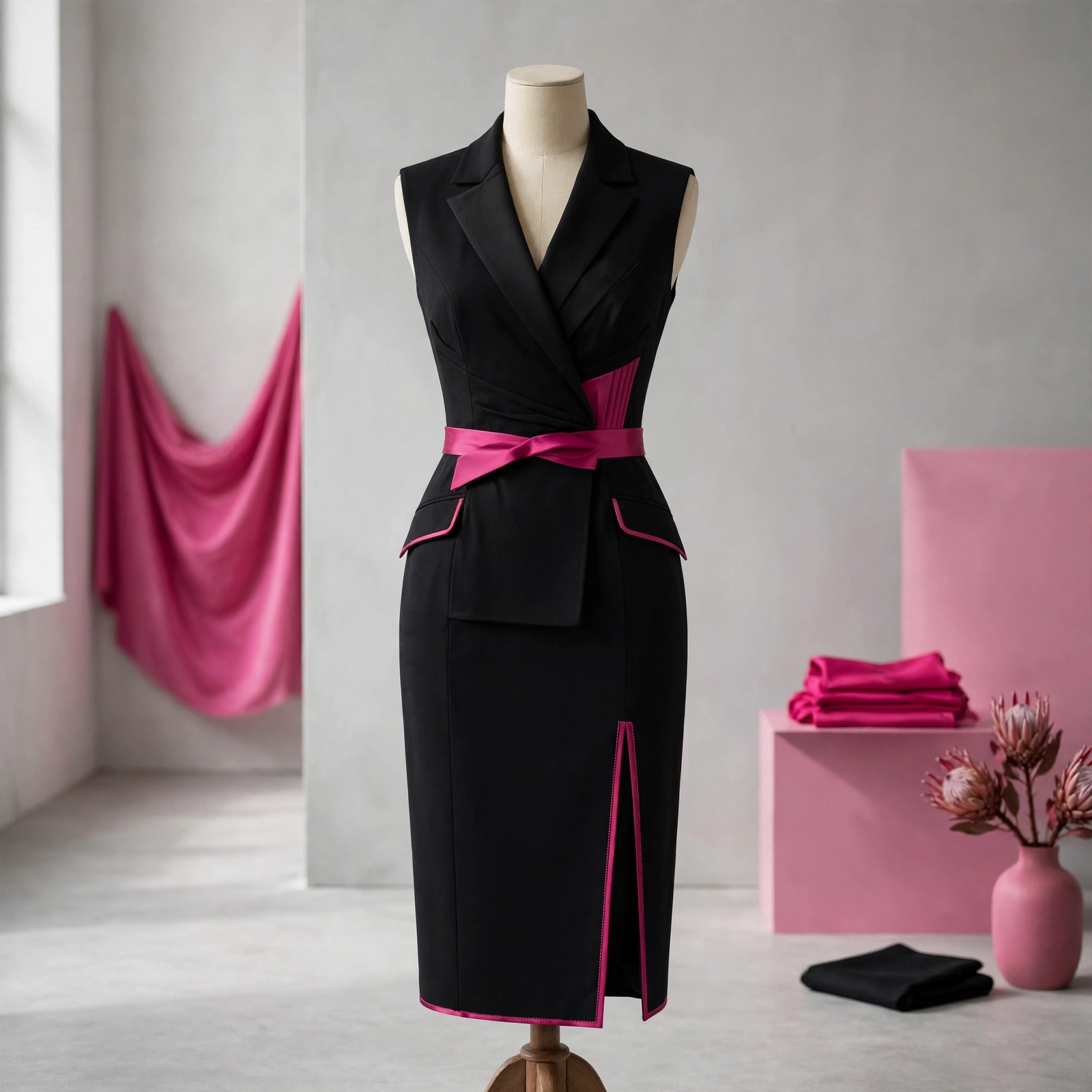
Every seamstress has a different design language. Some specialise in structured tailoring, some in bridal and formalwear, some in swimwear, alterations, uniforms or performance costumes. Review work that is similar to what you want, especially when it comes to finishing, fit and construction rather than only colour or styling.
For a structured gown, look for evidence of clean lines, stable support and careful finishing. For a flowing dress, look at how the fabric falls and whether the proportions feel balanced. For alterations, look for work that respects the original garment. The closer the maker’s strengths are to your project, the easier it is to communicate the result you want.
4. Understand the fitting process
Fittings are where a bespoke idea becomes personal. Wear suitable undergarments and shoes when requested, bring the accessories that affect the length or shape and be honest about comfort. A fitting is not a final judgement; it is a chance to identify what needs refinement while changes are still manageable.
Ask how the garment will be adjusted between fittings. Some changes involve the side seams, hem or straps. Others may require changes to the lining, structure or pattern. Do not wait until collection to mention that something feels uncomfortable. A respectful maker wants to know early enough to improve the result.
5. Be realistic about time and budget
Custom clothing is a process of design, preparation, construction and finishing. Fabric sourcing, pattern work, hand details, fittings and alterations all take time. A clear quote should explain what is included and which choices may change the final amount.
Share your event date honestly and avoid leaving a complex garment until the last moment. A shorter timeline may limit fabric choices or require a rush arrangement. It is better to have a clear conversation early than to promise a design without enough time to create it properly.
6. Choose communication and trust
Your relationship with the maker matters. You should feel comfortable asking questions, sharing concerns and making decisions. The maker should be clear about approvals, deposits, fitting dates and collection. Keep your reference images, measurements, quote and agreed details together so both sides are working from the same understanding.
Trust is built through small moments: a careful measurement, a useful fabric suggestion, an honest timeline and a fitting where your feedback is taken seriously. Those moments are part of the final garment because they shape how confidently you wear it.
Your occasion deserves a thoughtful fit.
At Seamrite Designs, the goal is not simply to make a garment that looks beautiful on a hanger. It is to create a piece that feels considered, comfortable and unmistakably yours—from the first consultation to the final fitting.
Book a consultation